Climate · · 6 min read
The Middle East and North Africa is one of the toughest environments on earth for infrastructure. Summer surface temperatures on roads and pavements can climb well above 60°C. Coastal cities breathe salt air all year round. Sun exposure is intense and relentless. Sandstorms scour every exposed surface, and in many places sudden winter downpours flood streets that were bone-dry a day before.
Much of the region's infrastructure was designed with materials and standards developed for milder European climates. The results are visible everywhere: rusted covers and gratings, corroded utility cabinets, cracked plastic housings and constant maintenance.
Composite materials, specifically fiberglass-reinforced polyester produced by compression molding, offer a better fit for these conditions. This article looks at the climate challenges one by one, and at where composites make the biggest difference in our streets, utilities and public networks.
Challenge 1: Salt and humidity
A large share of the region's population lives near the sea, from Beirut and Tripoli to Alexandria, Jeddah, Dubai and Casablanca. Coastal air carries chloride salts that attack steel and cast iron relentlessly. Add high humidity, condensation in underground chambers and sewer gases such as hydrogen sulfide, and corrosion becomes the single largest enemy of metal infrastructure.
Challenge 2: Extreme heat
Dark surfaces in direct summer sun reach temperatures that would soften many plastics. Equipment inside electrical cabinets adds its own heat on top.
Challenge 3: UV radiation
The region receives some of the highest solar radiation levels in the world. Ultraviolet light breaks down many polymers, which is why cheap plastic outdoor products turn chalky, faded and brittle after only a few summers.
Challenge 4: Sand, dust and flash floods
Wind-blown sand is abrasive, and fine dust finds its way into any poorly sealed electrical housing. At the other extreme, intense rain events can overwhelm drainage systems in minutes and submerge street-level equipment.
Where composites make the biggest difference
Manhole covers and frames. Every city has tens of thousands of chambers for water, sewer, stormwater, telecom and electricity. In the MENA region, the two biggest problems with traditional cast-iron covers are corrosion and theft. Iron has scrap value, so covers disappear, leaving dangerous open holes in roads and pavements.
Composite covers designed to EN 124-5 solve both. They carry the same certified loads, including D400 (400 kN) for roads used by all types of vehicles, they never rust, and they have no resale value to a thief. They are also much lighter, making them safer and faster for municipal crews to open.
Gully tops and drainage gratings. Drainage is where climate pressure peaks: gratings sit in water, collect salt and debris, and must perform perfectly during the few storms a year that really test them. A rusted or stolen grating is both a flood risk and a safety hazard. Composite gratings stay corrosion-free and keep their flow openings clean and accurate for decades.
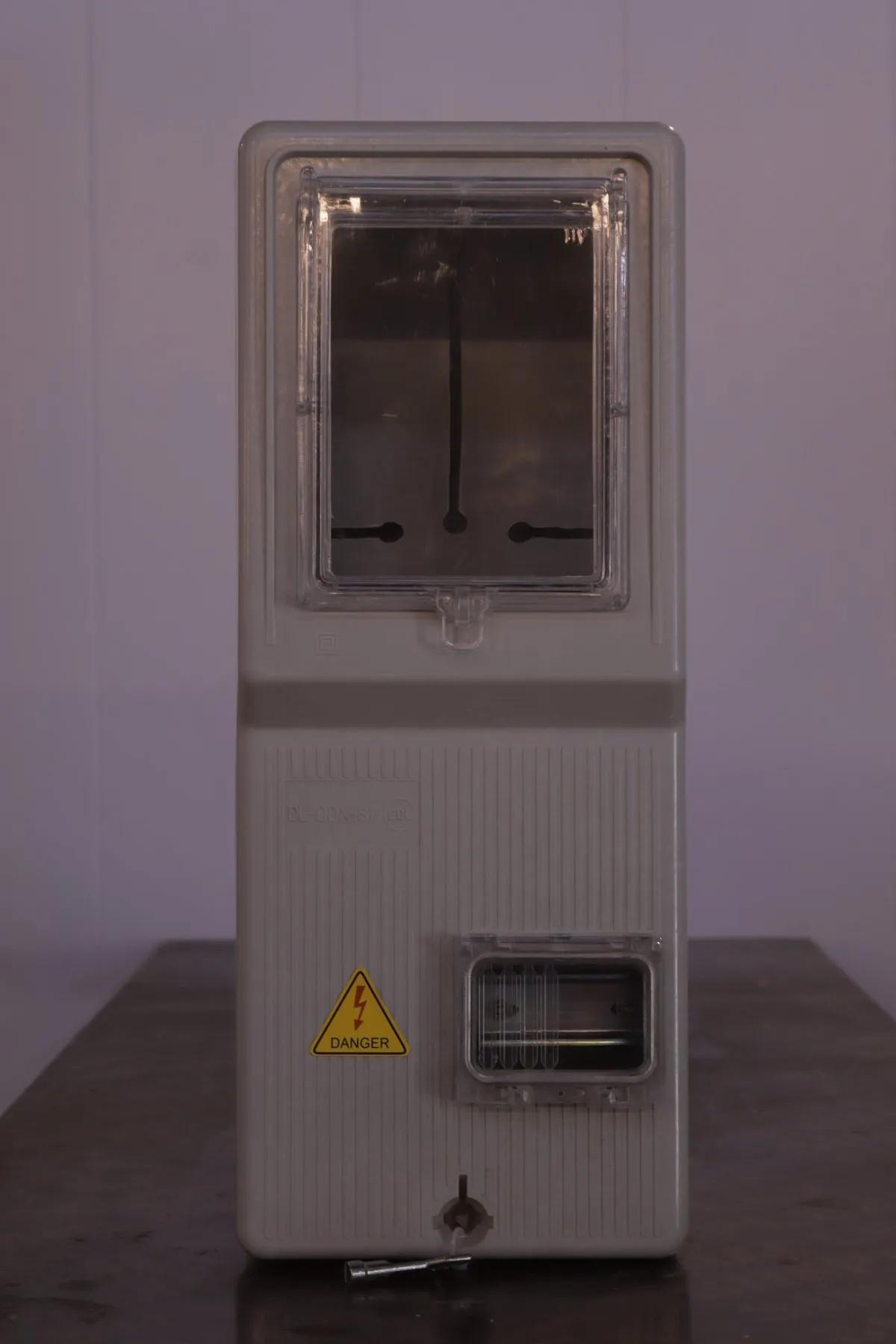
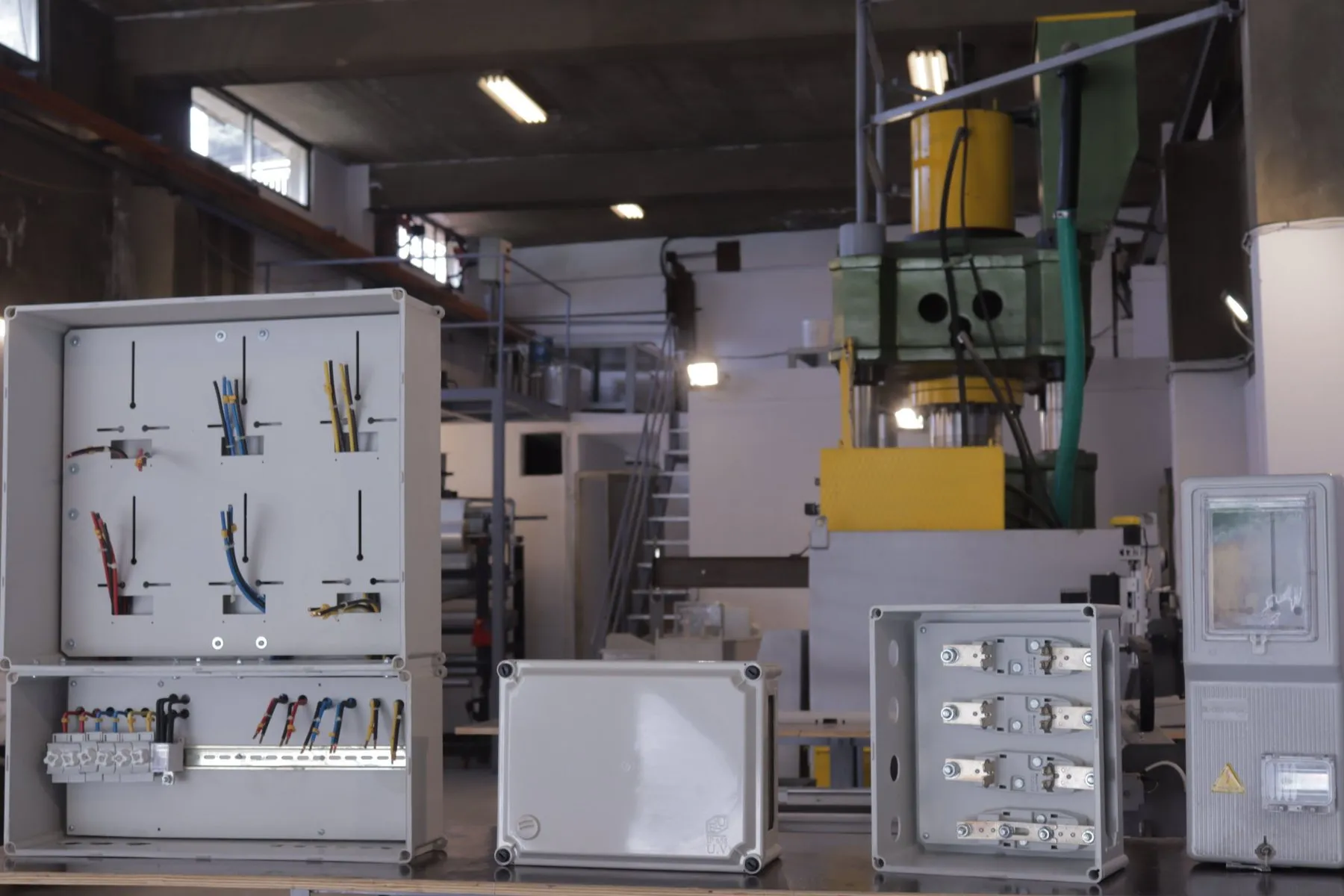
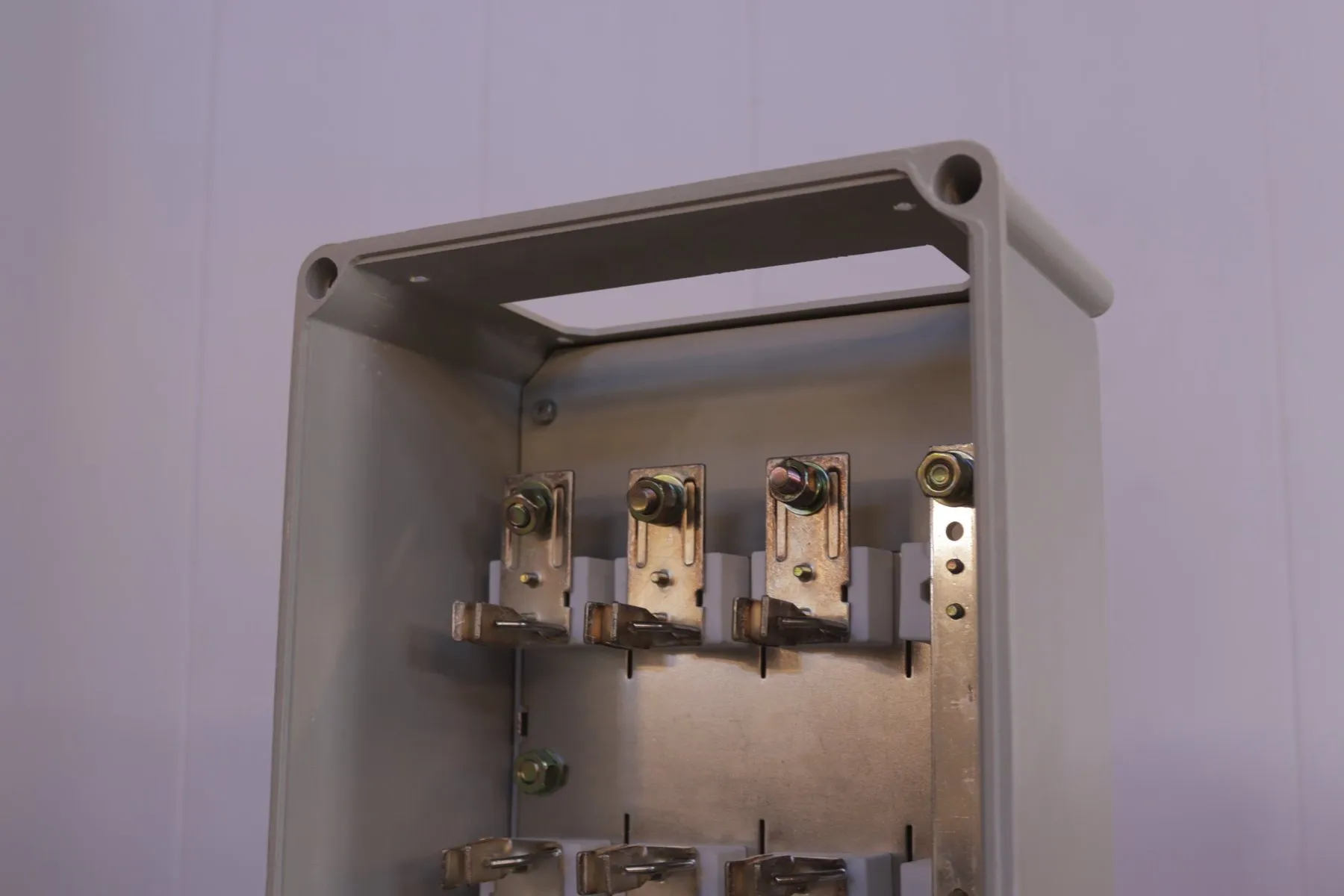
Utility meter boxes and electrical cabinets. Electricity and water utilities across the region install meter boxes on building facades, poles and walls, fully exposed to sun, rain and salt. Metal boxes rust and must be earthed; plastic ones yellow and crack. Fiberglass meter boxes and enclosures are corrosion-proof, UV-stable, and electrically insulating, which removes the shock risk from a live conductor touching the housing. That is a real safety benefit for the public and for utility technicians.
Street furniture and telecom. Traffic control cabinets, street-lighting junction boxes and telecom distribution boxes face the same conditions. Composite housings protect sensitive electronics while being light enough to install on poles without heavy lifting equipment.
The economics of building for the long term
Infrastructure budgets across the region are under pressure, and maintenance is often the first item to be cut. That makes the lifetime cost of a product more important than its purchase price.
Composites shift spending away from repeated maintenance and replacement:
- No repainting or corrosion treatment.
- No replacement after theft.
- Longer service life. We design our composite manhole covers for 40 years and more, compared with the 20 to 30 years typically expected from cast iron in aggressive environments.
- Lighter logistics. Lower transport costs, smaller installation crews, less lifting equipment.
- Fewer emergency interventions to secure open chambers or replace damaged cabinets.
For a municipality or utility managing thousands of assets, these savings compound year after year.
Local production for regional needs
There is one more advantage that matters in our region: where the products come from. Infrastructure projects depend on reliable supply, and long import lead times, shipping disruptions and currency fluctuations can stall work for months.
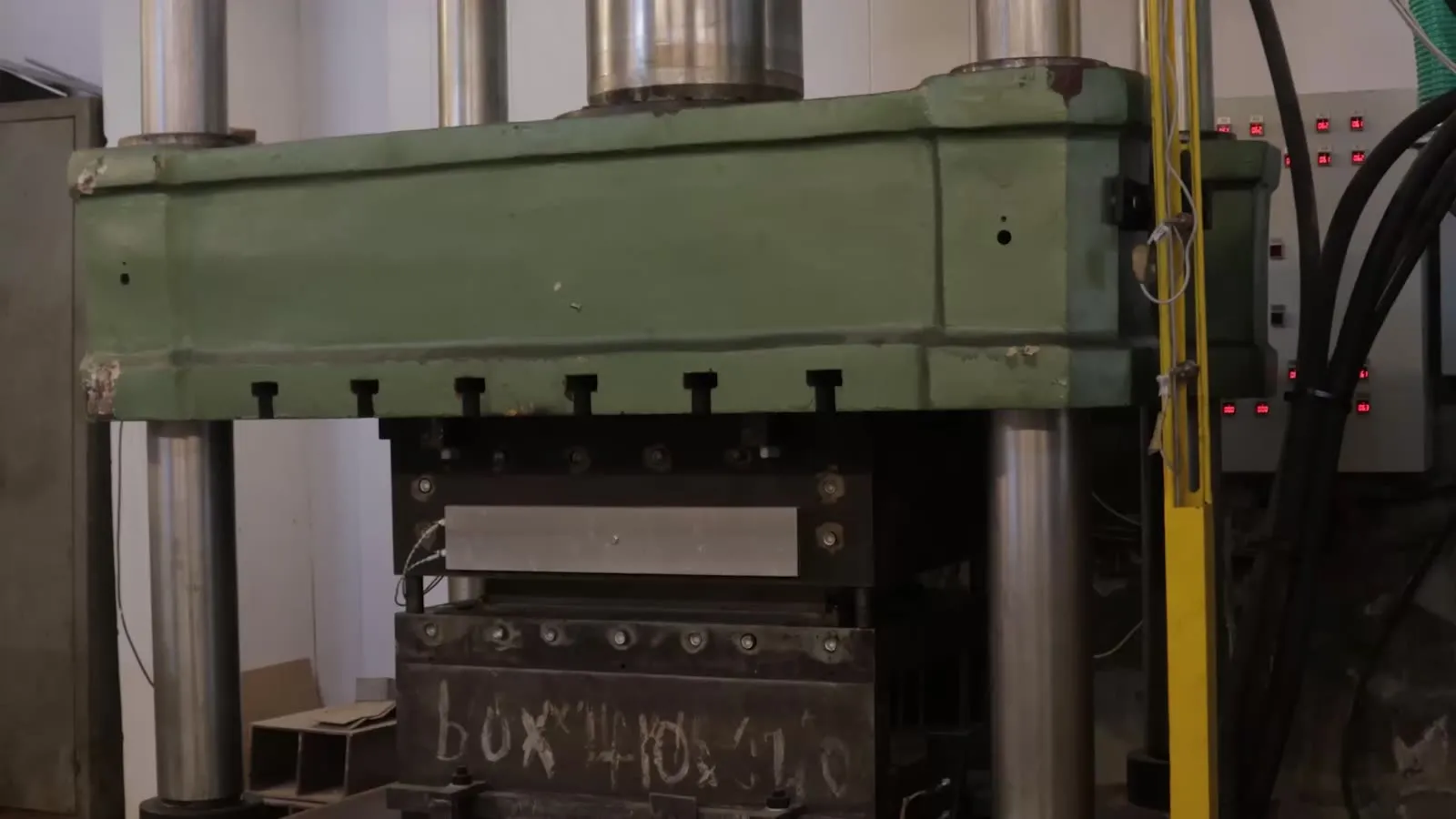
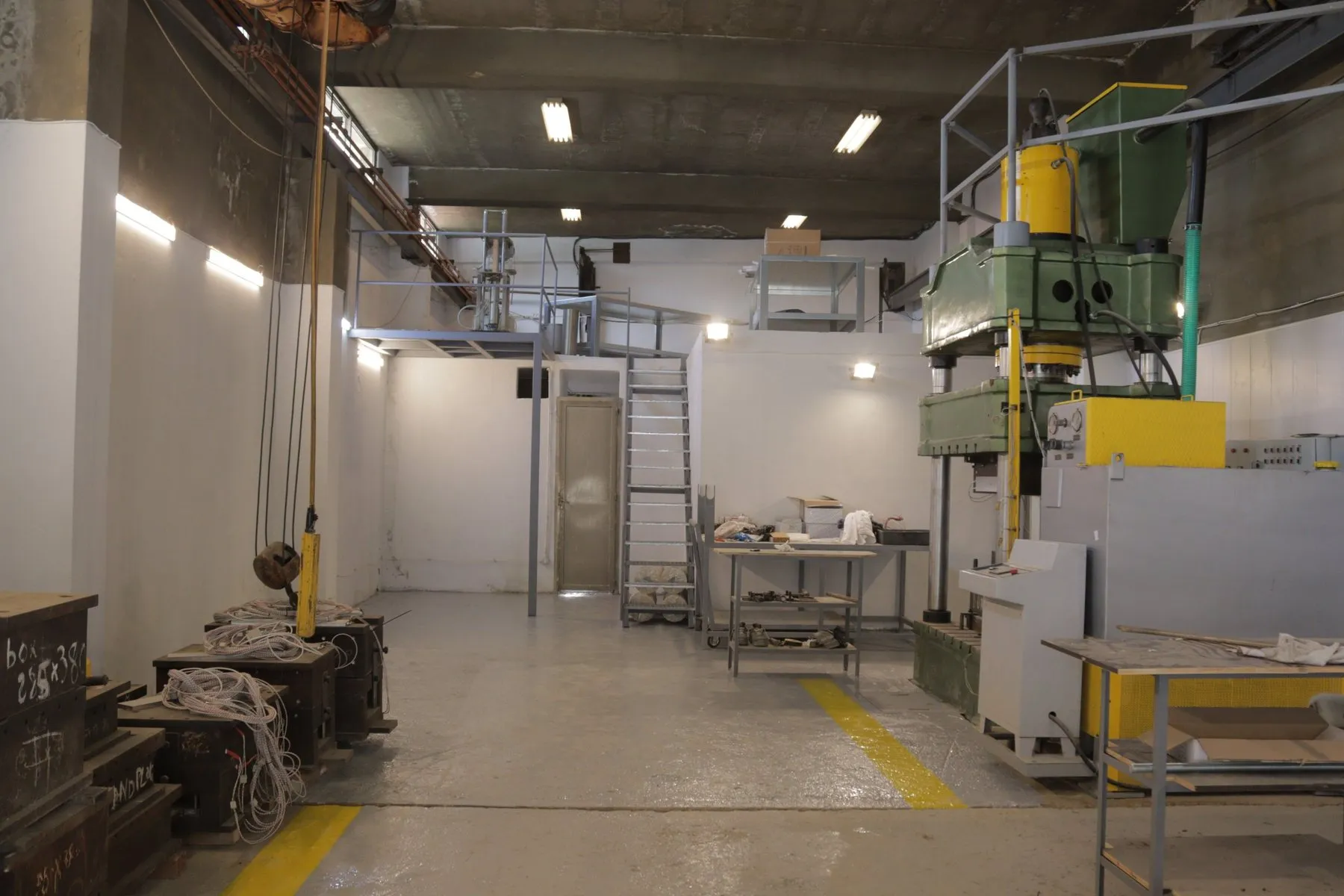
SARACO Industries manufactures composite infrastructure and electrical products in Lebanon, controlling the full process from SMC material to finished, inspected part. That means shorter lead times, products adapted to local specifications, technical support in the same time zone, and a supplier who understands the region's conditions first-hand.
Have a part in mind?
Talk to an expert