Infrastructure · · 6 min read
Walk down almost any street in Lebanon and you will step over dozens of them: manhole covers and gully tops. They sit quietly under traffic for decades, and nobody thinks about them until one goes missing, cracks, rattles under every passing car, or rusts shut on the day a crew needs to get underground.
For more than a century, the default material for these products has been cast iron. It is heavy, it is familiar, and it works. But the conditions our cities face today are not the conditions of a hundred years ago. Theft, corrosion, worker safety and maintenance budgets have all changed the equation. That is why municipalities around the world are moving to composite (fiberglass) covers, and why SARACO Industries has invested in producing them here.
This article explains what composite covers are, how they compare to cast iron, and what to look for when you specify them.
What is a composite manhole cover?
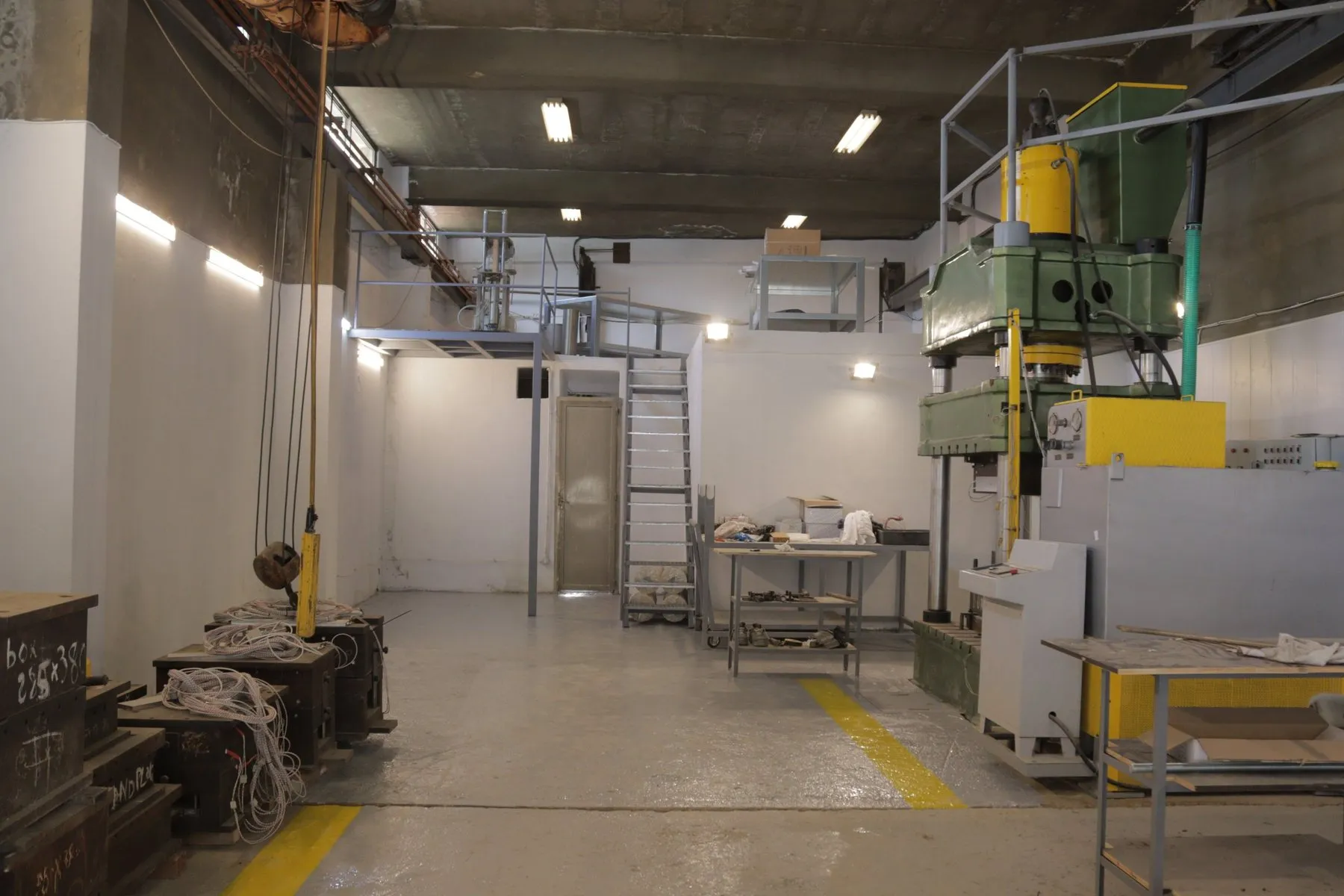
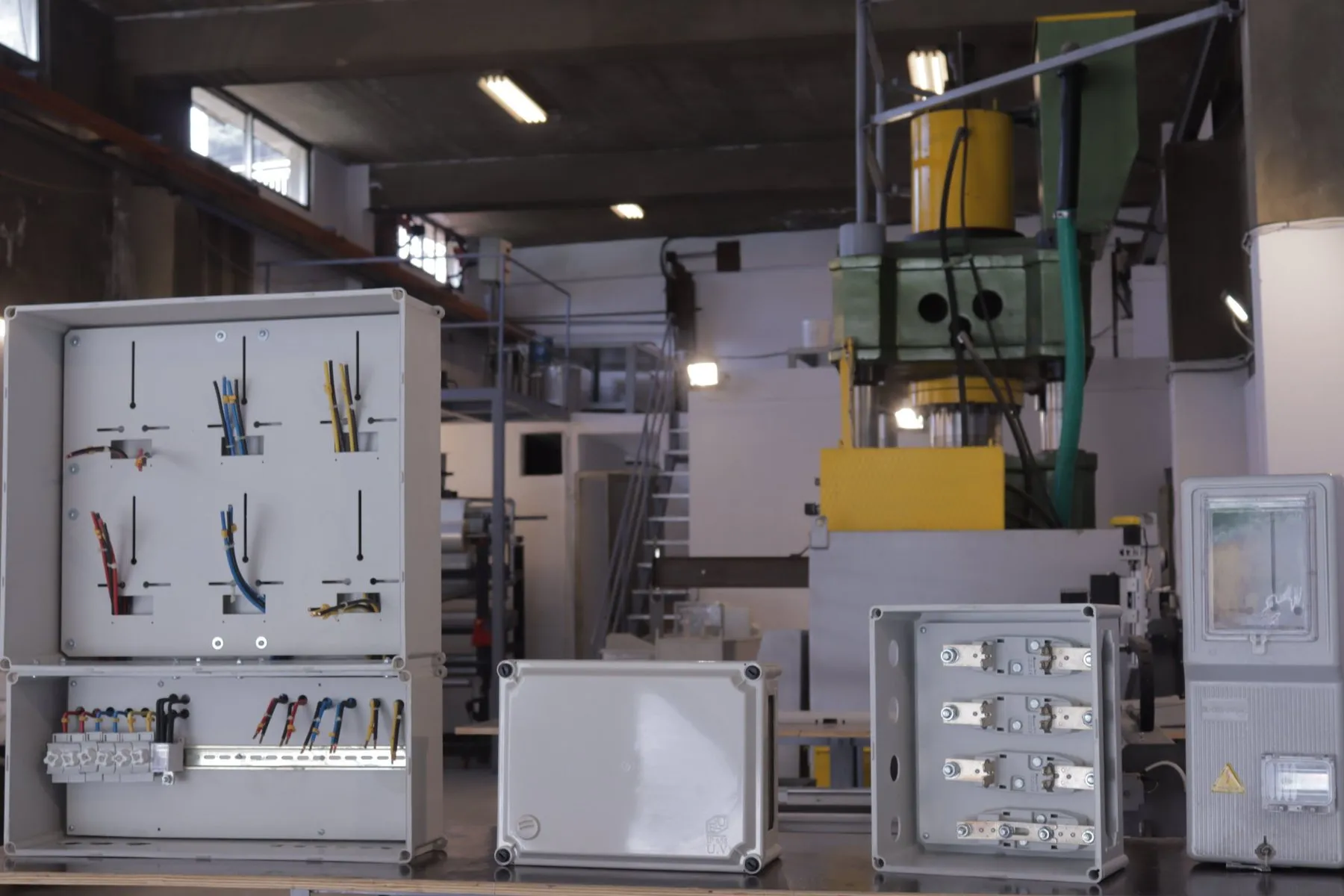
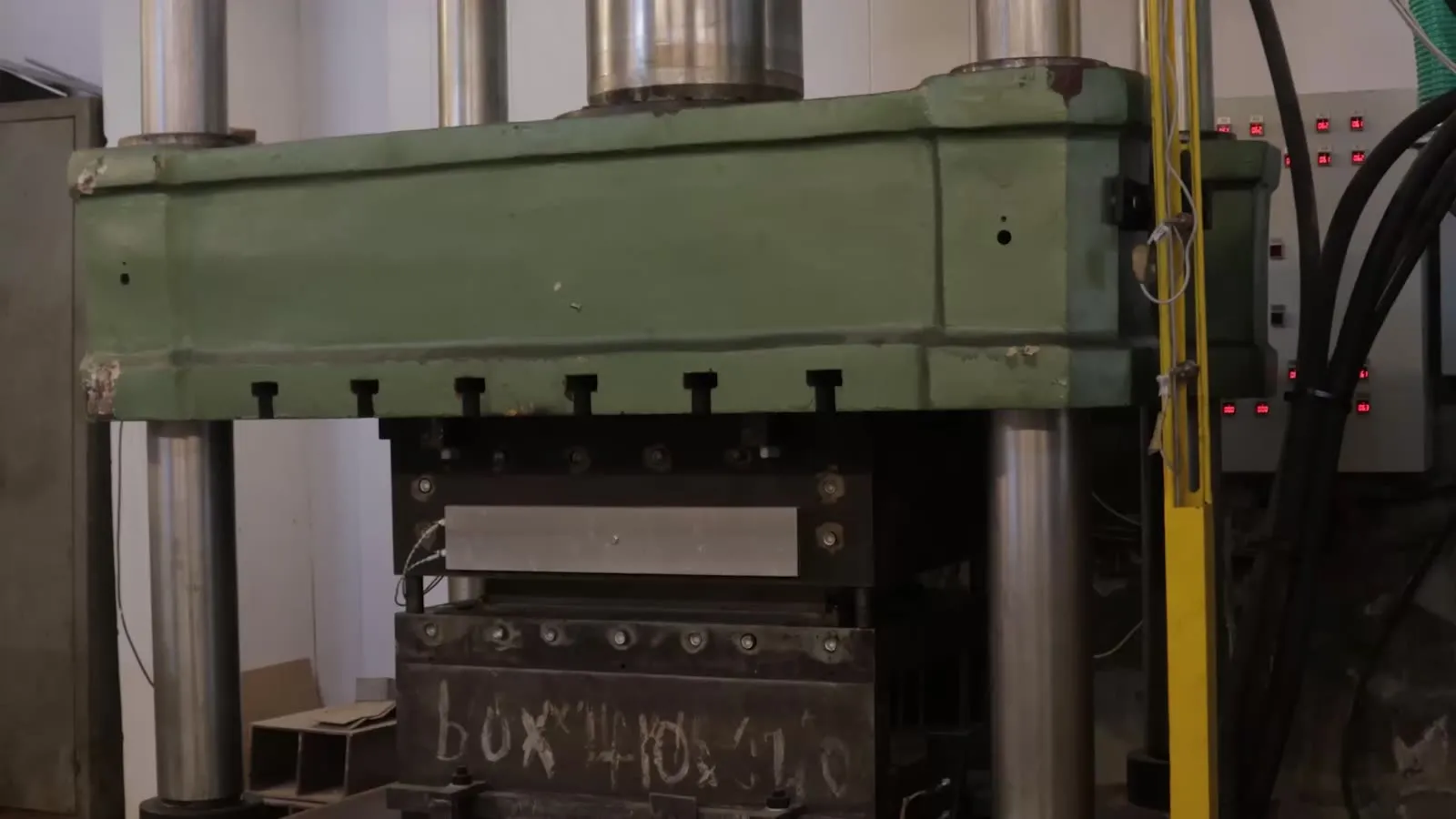
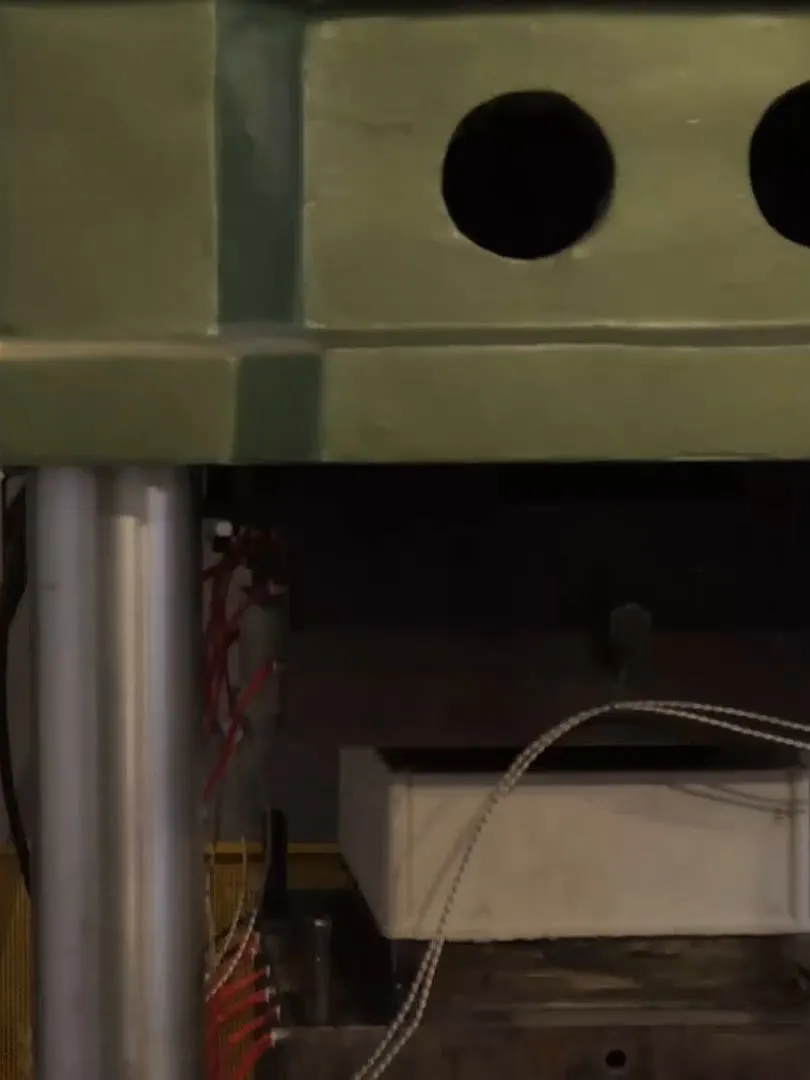
A composite cover is made from fiberglass-reinforced polyester: a thermoset resin reinforced with glass fibers and mineral fillers. At SARACO we produce our covers by compression molding a material called SMC (Sheet Molding Compound) under high heat and pressure in hardened steel molds.
The result is a dense, solid part with the glass fibers locked through its entire cross-section. It is not a plastic in the everyday sense. Once cured, it cannot be melted down, and its strength comes from the same principle that makes boat hulls, wind turbine blades and aircraft panels so durable.
The problem with cast iron
Cast iron has served cities well, but it carries five problems that every municipal engineer recognizes.
- Theft. Cast iron has scrap value. When metal prices rise, covers disappear overnight. An open manhole is a serious hazard to pedestrians, cyclists, motorcyclists and drivers, and every stolen cover means an emergency replacement and a liability risk.
- Corrosion. Sewer gases, road salt, humidity and coastal air all attack iron. Rust weakens the cover, seizes the hinge and frame, and stains the surrounding pavement.
- Weight and worker safety. A heavy-duty iron cover is extremely heavy to lift. Opening one is a two-person job with lifting tools, and back injuries among maintenance crews are a well-known cost.
- Noise and rocking. As frames wear, iron covers start to rock and clang under traffic, a constant complaint from residents.
- Slipperiness. Smooth or worn metal becomes dangerous in rain, especially for two-wheelers.
How composite covers solve each problem
No scrap value, so no theft. This is the single biggest reason cities switch. A fiberglass cover cannot be sold to a scrap dealer, so there is no reason to steal it. Municipalities that have converted report that the theft problem simply stops.
Zero corrosion. Composites do not rust. They are unaffected by sewer gases, salt, moisture and most chemicals found underground. The cover you install today looks and performs essentially the same years later. We design our covers for a service life of 40 years and more, compared with the 20 to 30 years typically expected from cast iron in aggressive environments.
Lighter to handle. Composite covers are significantly lighter than iron covers of the same load class. That means easier, safer opening for maintenance crews, faster installation, lower transport costs, and less strain on the surrounding road structure.
Quiet and stable. Composite material absorbs vibration rather than ringing like metal. Combined with a well-matched frame, the result is a cover that sits quietly under traffic.
Anti-slip surface by design. The surface pattern is molded directly into the part, so grip does not wear away the way it does on polished iron.
Electrically non-conductive. Fiberglass does not conduct electricity, an important safety advantage for covers over electrical, telecom and street-lighting chambers.
Customizable. Because the surface is molded, a municipality's name, logo, or the network type (water, sewer, telecom, electricity) can be molded permanently into every cover. No paint, no plates, nothing to wear off.
Isn't plastic weaker than iron?
This is the most common question we hear, and it is a fair one. The answer lies in the standard.
Manhole covers in Europe, and in many markets that follow European norms, are classified under EN 124. Part 5 of the standard, EN 124-5, covers composite materials specifically. A composite cover certified to EN 124-5 must pass the same load classes as an iron cover. A D400 cover, for example, must withstand a test load of 400 kN (roughly 40 tonnes), which is the class required for carriageways, road shoulders and parking areas used by all types of vehicles.
EN 124-5 is in some ways more demanding than the iron standard, because composites are also tested for things iron is not: long-term behavior under sustained load, performance at high and low temperatures, and resistance to UV and chemicals.
In other words: a properly certified composite cover is not a lighter-duty compromise. It is engineered to carry the same traffic.
Load classes at a glance
| Class | Test load | Typical location |
|---|---|---|
| A15 | 15 kN | Pedestrian and cycle areas |
| B125 | 125 kN | Footways, car parks |
| C250 | 250 kN | Kerbside channels, road shoulders |
| D400 | 400 kN | Carriageways, all vehicle types |
| E600 | 600 kN | Docks, industrial yards |
| F900 | 900 kN | Airports, heavy industrial areas |
SARACO's range focuses on D400, the class that covers most municipal water, sewer and road applications, in standard clear openings of 300 mm, 400 mm and 600 mm.
Gully tops: the same advantages, at the curb
Gully tops (stormwater inlet gratings) face the same issues as manhole covers, often worse. They sit in the water channel, collect debris and salt, and are a frequent target for theft. Composite gratings bring the same benefits: no corrosion, no scrap value, lighter handling, and a molded slot pattern designed for flow capacity while staying safe for bicycle wheels and pedestrians.
What about cost?
On a piece-for-piece purchase price, a composite cover and an iron cover are often in a similar range. The real difference shows over the life of the product:
- No replacement after theft, and no emergency call-outs to secure open chambers.
- No repainting, derusting or seized frames to free up.
- Faster, safer maintenance with fewer crew members and less lifting equipment.
- Lower transport and handling costs thanks to the reduced weight.
- A longer service life, which means fewer replacements over the life of the network.
When municipalities calculate the total cost of ownership rather than the invoice price, composite usually comes out ahead.
What to ask your supplier
If you are specifying composite covers for your municipality or project, ask these questions:
- 01Is the cover certified to EN 124-5, and for which load class?
- 02Is the frame matched to the cover and supplied with it?
- 03What is the material (SMC, BMC, or hand-laid)? Compression-molded SMC gives the most consistent results.
- 04Is the surface anti-slip, and can it carry custom markings?
- 05Is there a locking option for sensitive networks?
- 06Can the supplier deliver locally, with short lead times and after-sales support?
Made in Lebanon, for the region
SARACO Industries manufactures composite products in Lebanon using compression molding, with full control of material, molding and quality. That means shorter lead times, local technical support, and products designed for our region's roads and climate, without depending on imports.
Have a part in mind?
Talk to an expert